

In September 2016, Paediatrician Dr Tsitsi Chawatama delivered neonatal resuscitation training (refresher training) to nurses in Chitungwiza hospital. It was well received by the nurses and Dr Chawatama plans to visit again in 2017.
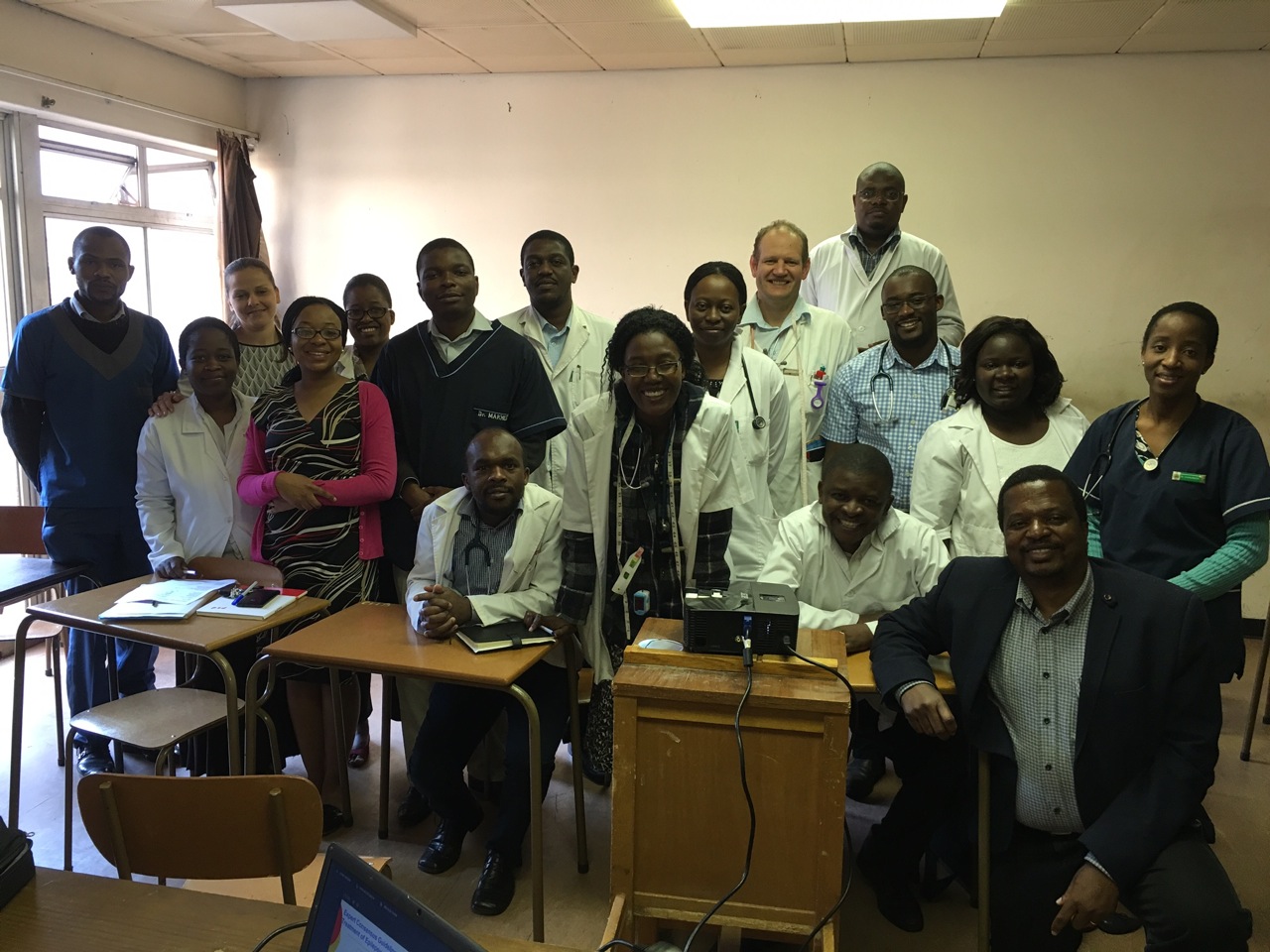
Training of paediatricians
In July 2016 Dr Sibanda gave a lecture series covering Epilepsy and Child protection. The students were enthusiastic and the feedback was very good.
The Paediatric department of the University of Zimbabwe Medical School has expanded its Masters postgraduate programme and currently has 24 MMed trainees. It has a small, dedicated faculty that welcome and value input from visiting paediatricians.
Dr Zed Sibanda has been supporting teaching on this course regularly for the last 7 years.
Dr Sibanda is keen to link up and encourage other paediatricians in the diaspora who want to join ZHTS to help with paediatric training in Zimbabwe.

200 midwives
Improving Maternal Health
Zimbabwe has made progress in reducing maternal mortality, but challenges remain. According to UNICEF (2023), the maternal mortality ratio is 462 deaths per 100,000 live births, still among the highest in the world. Tragically, one in every 59 women is estimated to die from pregnancy-related complications.
Our Response
In partnership with the Centre for Maternal and Newborn Health at the Liverpool School of Tropical Medicine, Zimbabwe Health Training Support (ZHTS) has been working to address this crisis by delivering targeted training to healthcare professionals across Zimbabwe.
Emergency Obstetric Care Training
Our flagship programme is a three-day Emergency Obstetric Care (EOC) course designed to tackle the leading causes of maternal and newborn mortality. The training is delivered through:
- Short, focused lectures
- Interactive breakout sessions
- Scenario-based learning
- Practical, hands-on skills development
- Emphasis on teamwork in clinical settings
Building Sustainable Local Capacity
Participants who showed strong leadership and teaching potential were invited to join a “Training of Trainers” programme. This has enabled hospitals in Harare and Bulawayo to continue running the EOC courses independently, ensuring long-term sustainability.
Our Impact
Between 2008 and 2015, 924 healthcare workers—including doctors, nurses, and midwives—completed the EOC training. This growing network of skilled professionals is playing a key role in improving outcomes for mothers and newborns across Zimbabwe.
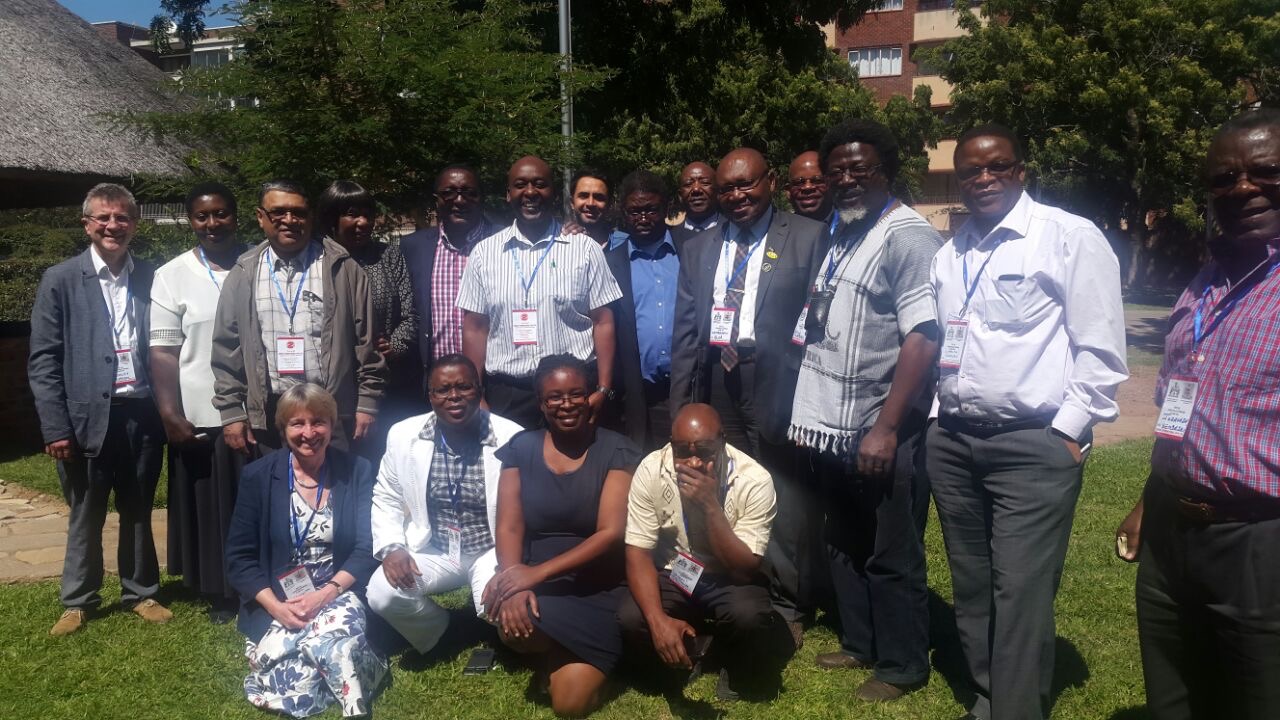
Supporting family medicine training
In April 2016, ZHTS’s Dr Duncan Keeley and Felicity Ashworth visited Zimbabwe to support the development of a formal postgraduate training programme for family physicians in Zimbabwe.
Duncan and Felicity helped run a four-day course in Harare on the principles of family medicine and educational considerations for family medicine programme trainers.
The postgraduate training programme will be based at district hospitals, with a remit for trainees to include in their skill set teaching, training, team building, heath service management and support for primary care clinics.
Duncan also joined Dr Billy Rigava and Dr Anthony Mutara of CPCPZ, and Professor Sunanda Ray of the University of Zimbabwe on a visit to Manicaland Province and Mutare hospital to meet with stakeholders there and discuss the potential benefits of the programme for district level health care.
Dr Keeley said, “the work that has already been done to develop a training programme for family physicians is very impressive, and I came away more convinced than ever that the development of a cadre of well trained generalist doctors – with a clear remit in team development and support of district level primary care – would be a major force for improvement in the outcomes and cost effectiveness of health care spending in Zimbabwe.”
Duncan and Felicity’s visit was made possible by an International Travel Grant from the UK Royal College of General Practitioners.

900 mental health workers
Mental Health Support in Zimbabwe
Around 300,000 Zimbabweans live with mental illness (ZIMNAMH), yet access to care remains extremely limited. Zimbabwe has no government-funded psychological treatment in primary care and only a handful of psychiatrists in the public system.
There are just nine civilian mental health institutions nationwide—many under-resourced and affected by shortages in medication, fuel, and staff due to ongoing emigration of health professionals.
Our Response
Mental illness is among the top five causes of disability worldwide, often linked with other conditions like HIV. To help address this critical gap, ZHTS supports mental health training for nurses as part of their continuous professional development—strengthening skills in both clinical care and leadership.
Our Impact
Since 2011, ZHTS has supported:
- The Friendship Bench in Mbare, Harare – delivering community-based mental health care through trained lay health workers
- Training for mental health nurses at Ingutsheni Hospital, Zimbabwe’s largest psychiatric facility
By investing in local training and partnerships, we’re helping build a stronger, more sustainable mental health system in Zimbabwe.

250 paediatricians and nurses
Zimbabwe has a young population. 44% of the total population (12 million) is under 15 years old.
In 2013 and 2014, Dr Zed Sibanda, a paediatrician, delivered a course of lectures to 120 medical students. There is also ongoing training to support postgraduate students.
In 2013, jointly with the Zimbabwe Epilepsy Society, a course about epilepsy was delivered to 100 doctors and 150 nurses.
A separate workshop supporting the care of children with disabilities was held for 25 physiotherapists, speech and language therapists and technicians.
Dr Zed Sibanda has contributed to the training of at least 10 current consultant paediatricians and has conducted stand-alone courses attended by 25 of the paediatricians.